Psalms 73:26..My heart and flesh may fail, but God is the strength of my heart

Psalms 73:26..My heart and flesh may fail, but God is the strength of my heart
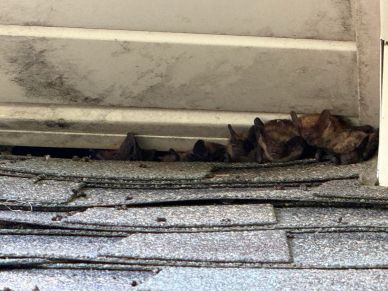
Many homeowners first notice a bat problem because they hear scratching, fluttering, or faint squeaking above the ceiling. Unlike mice, bats usually become active around sunset as they leave to feed and again before sunrise when they return. Depending on where they're roosting, those sounds may seem to come from the attic, soffits, or where two rooflines meet.
Hearing noises doesn't automatically mean you have bats, but if it happens around the same time each evening or morning, it's one of the first clues that something may be using your home.
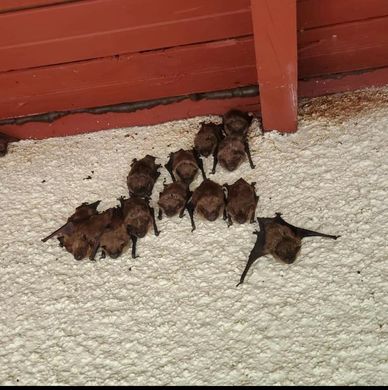
Bats are beneficial and commonly fly through neighborhoods each evening while feeding on insects. The difference is when you consistently see them circling your roof or disappearing beneath the edge of your roofline.
Watching where they're flying can provide valuable clues about whether they're simply passing through or using your home as a roosting site.
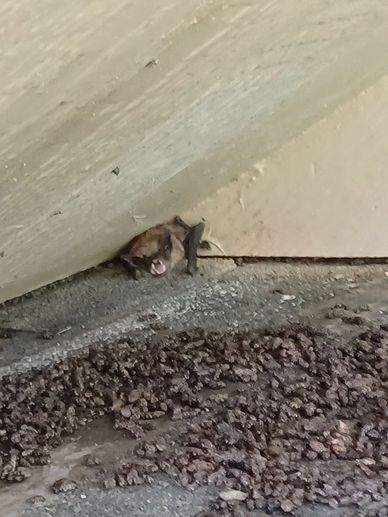
Small piles of bat droppings on a porch, deck, window ledge, or below the roofline often indicate bats are roosting somewhere above. While droppings alone don't reveal every entry point, they help identify areas that deserve a closer look.
Combined with the other signs on this page, they can paint a much clearer picture of what's happening around your home.
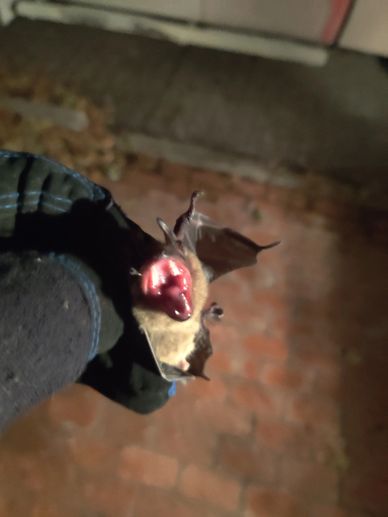
Finding a bat inside your home is alarming, and it's one of the most common reasons homeowners call us. While an individual bat can occasionally find its way indoors, multiple bats over time often indicate that a colony is living somewhere within the structure.
That's why understanding how it got inside is just as important as safely removing the bat you can see.
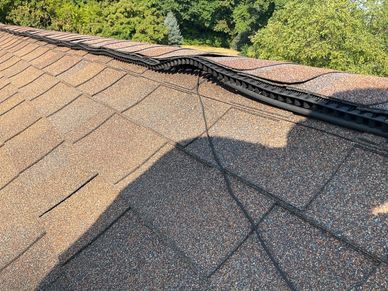
Most homeowners are surprised by how little space a bat needs to enter a home. Gaps around soffits, fascia boards, ridge vents, dormers, and roof intersections can all provide access into an attic or wall cavity.
Many of these openings aren't visible from the ground, which is why homeowners are often surprised by what we find.
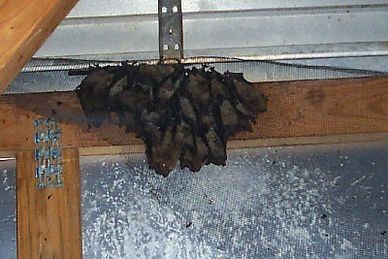
One sign by itself doesn't always mean you have bats. But when you begin putting several of these clues together—scratching noises, bats flying around the roofline, droppings below the eaves, or a bat inside your home—the picture becomes much clearer.
The next step isn't guessing. It's learning how to determine exactly where the bats are getting into your home.
"Can you figure out where they're getting in?"
On the next page, we'll show you how we inspect a home, what we're looking for, and how we determine every potential bat entry point before recommending a permanent solution.